
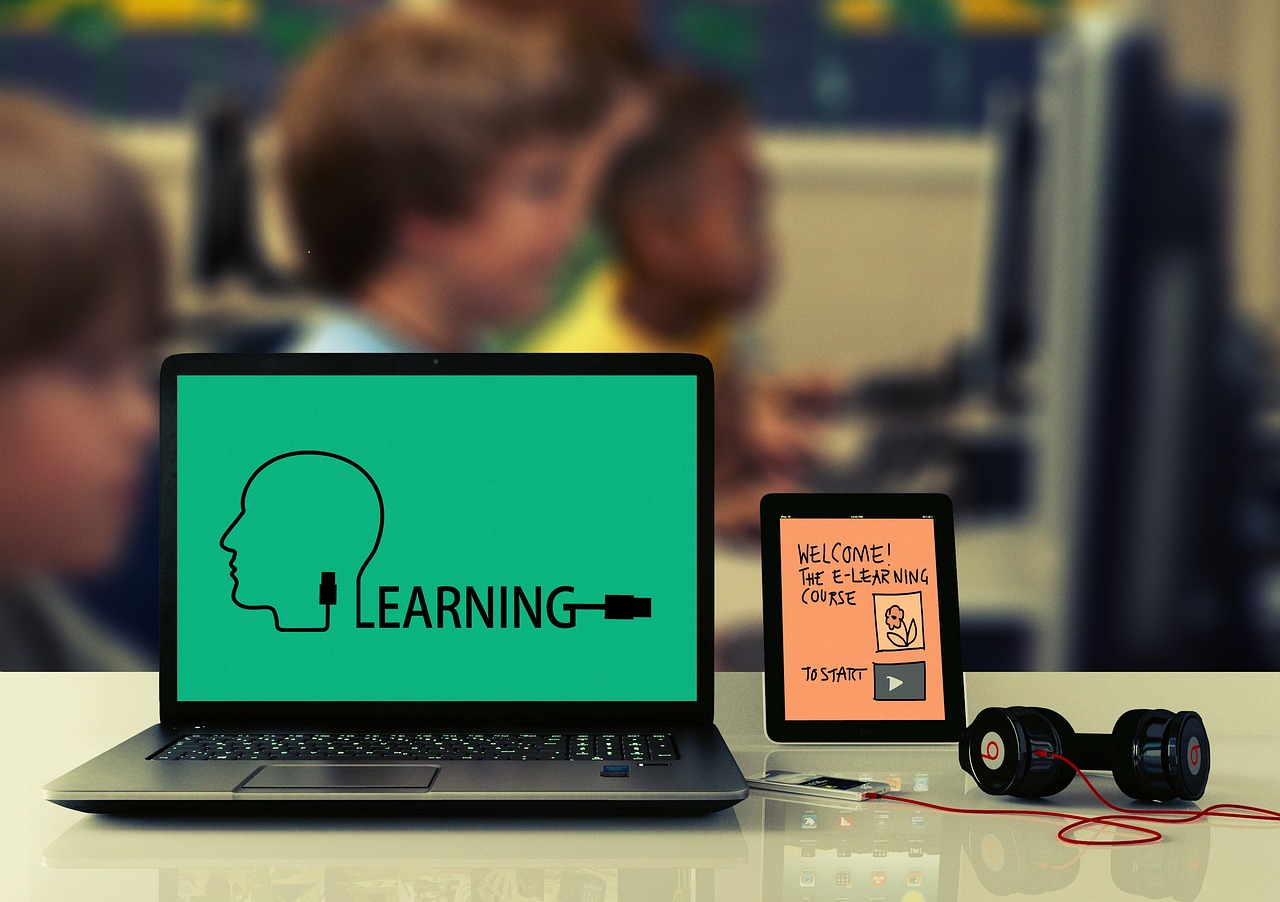
Blended learning has emerged as a transformative approach to education, blending traditional face-to-face instruction with online learning components. This hybrid model offers a unique opportunity to combine the best of both worlds, leveraging technology to enhance the learning experience while maintaining the benefits of in-person interaction. In this article, we will explore what blended learning is, its key components, the various benefits it offers, as well as the challenges and considerations in its implementation. Additionally, we will delve into best practices for successful blended learning programs, the tools and technologies that support this approach, and provide insightful case studies showcasing effective blended learning models across different educational settings.# Introduction to Blended LearningAh, blended learning – the love child of traditional education and technology. But what exactly is it?
Best Practices for Successful Blended Learning Programs
Clear Learning Objectives
Setting clear learning objectives is like having a roadmap for your blended learning journey. By clearly defining what students should know and be able to do, educators can ensure that the blend of online and in-person activities aligns with these goals. Plus, it helps students understand what is expected of them, making their learning experience more focused and fruitful.
Effective Communication Strategies
Communication is key in any relationship, including that between educators and students in a blended learning environment. Utilize various communication tools such as emails, online discussion boards, or video conferencing to keep the lines open. Providing timely feedback, clarifying expectations, and being available for questions can enhance student engagement and overall success in a blended learning program.
Tools and Technologies for Blended Learning
Learning Management Systems (LMS)
An LMS is like the control center of a blended learning program, where educators can organize course materials, track student progress, and facilitate online interactions. With features like content management, grading, and discussion forums, an LMS streamlines the learning process and provides a centralized platform for both educators and students.
Virtual Classroom Platforms
Virtual classroom platforms bring the traditional classroom experience online, allowing for real-time interactions through video conferencing, chat features, and collaborative tools. These platforms enable educators to conduct live lectures, group discussions, and interactive activities, creating a dynamic and engaging virtual learning environment for students.
Case Studies and Examples of Effective Blended Learning Models
Successful Implementation in K-12 Education
In K-12 education, blended learning models have been successfully implemented to personalize learning experiences, cater to diverse student needs, and promote self-paced learning. By combining online resources with face-to-face instruction, educators can create a flexible and interactive learning environment that enhances student engagement and academic achievement.
Blended Learning in Corporate Training Settings
Corporate training programs have embraced blended learning models to deliver efficient and cost-effective training to employees. By incorporating online modules, virtual simulations, and in-person workshops, organizations can provide continuous learning opportunities that are tailored to individual employee needs and organizational goals. This approach not only enhances employee skills and knowledge but also boosts productivity and performance in the workplace.In conclusion, blended learning continues to revolutionize the way we approach education, offering a dynamic and flexible learning environment that caters to the diverse needs of students and learners. By effectively integrating technology with traditional teaching methods, blended learning opens up new possibilities for personalized learning experiences and improved outcomes. As we navigate the ever-evolving landscape of education, embracing the principles and practices of blended learning can pave the way for a more engaging, effective, and inclusive educational future.
Frequently Asked Questions (FAQ)
What makes blended learning different from traditional classroom learning?
Blended learning combines in-person instruction with online components, offering a more flexible and personalized learning experience compared to traditional classroom settings. It allows students to engage with content at their own pace and access resources anytime, anywhere.
What are some common challenges in implementing blended learning?
Some common challenges in implementing blended learning include integrating technology effectively, ensuring equitable access to resources for all students, and providing adequate training and support for educators transitioning to this model.
How can educators ensure effective communication in a blended learning environment?
Educators can ensure effective communication in a blended learning environment by utilizing various communication tools such as messaging platforms, discussion forums, and video conferencing. Setting clear expectations and maintaining regular communication with students are also key factors in fostering a successful blended learning experience.
Post your Comment About This Product